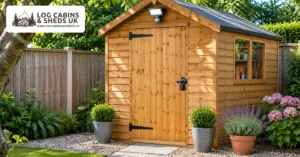
Garden Shed Security Ideas: A Practical UK Checklist
Protect your garden shed or timber cabin with practical UK security tips for doors, locks, windows, lighting, storage and routine maintenance.

Garden shed security starts with sound doors, sensible storage and regular maintenance. This UK guide explains practical ways to protect a timber shed or cabin without compromising everyday access, safety or comfort.
A garden shed may contain bicycles, gardening tools, DIY equipment and seasonal furniture. A log cabin may also hold a computer, exercise equipment or valuable hobby items. List the contents and consider how frequently you need access. The aim is to make opportunistic entry harder without making the building awkward to use every day. Security is a combination of doors, windows, fittings, lighting and habits, not simply the biggest padlock available.
A sturdy door only works when its frame, hinges and fixings are sound. Inspect timber around the lock and hinges for splitting, rot or loose screws. A poorly fitted door can leave gaps that make it easier to lever open. Where appropriate, choose robust hinges and a locking system suited to the building. Follow the manufacturer’s instructions before drilling or altering a prefabricated door, particularly on cabins with specific construction details.
A hasp and staple should be securely fixed into sound timber, with suitable bolts or screws and protected fixings where practical. The padlock itself should be suitable for outdoor conditions. For a cabin used regularly, a properly installed door lock may be more convenient. No lock makes a lightweight timber building invulnerable, so combine it with sensible storage and a secure site. Keep keys controlled and avoid leaving spare keys in obvious hiding places.
Windows make garden rooms pleasant to use but can expose valuable contents to view. Consider curtains, blinds or privacy film where appropriate, and close them when the building is unoccupied. Check window catches and frames regularly. Where extra protection is required, select security measures that suit the window type and do not create a hazard in an occupied room. Do not block a necessary escape route in a garden office or hobby room.
A well-positioned motion-activated outdoor light can make a dark approach more visible. Choose fittings designed for outdoor use, aim them towards your own paths and doors, and avoid dazzling neighbours or nearby roads. Lighting works best when combined with clear sightlines and sensible landscaping. If wiring is required, use a suitably qualified electrician and follow applicable electrical safety requirements rather than running improvised extension leads outdoors.
A simple alarm or camera may help deter intrusion and alert you to activity, but neither substitutes for physical security. Check battery life, connectivity, notification settings and whether the system needs a reliable Wi-Fi signal. Cameras should be positioned responsibly with consideration for neighbours and privacy. If recording extends beyond your domestic property boundary, additional data-protection obligations may apply. Review the manufacturer’s instructions and the Information Commissioner’s Office guidance.
Avoid displaying expensive tools or bicycles directly through windows. Use suitable internal anchors or locked storage for valuable items where the structure can support them. Record serial numbers and retain purchase details for insurance purposes. If storing powered equipment or batteries, follow the manufacturer’s safe storage and charging guidance. Do not leave chargers running unattended in a timber building unless the equipment and installation are intended for that use.
A secure garden boundary can reduce casual access to the shed. Inspect gates, latches and fence panels, and remove convenient climbing aids where practical. Keep access paths clear enough for safe use and maintenance. Tall shrubs can provide privacy but may also conceal an entrance; aim for a balance between screening and visibility. Avoid making assumptions about boundary ownership before attaching hardware to a shared fence or wall.
If you are choosing a new shed or cabin, think about door position, window placement and the route from the house. A door that can be seen from a frequently used room may be easier to keep an eye on. Consider lighting, safe electrical provision and whether the building will be used as a workshop or office. Our home office shed planning guide covers related decisions before purchase.
Water damage can weaken the parts of a building that locks and hinges depend on. Inspect doors, frames, cladding and roof edges as part of routine maintenance. Treat exposed timber according to the product guidance and address leaks promptly. Our garden shed timber treatments guide explains how to approach finishes and upkeep. A dry, well-maintained building is easier to secure than one with deteriorating fittings.
Check your home insurance policy rather than assuming every item in an outbuilding is covered. Insurers may have conditions relating to locks, maximum item values or the building’s construction. Photograph the shed and its contents, and keep a simple inventory. Test locks, alarms and lights periodically, particularly before darker winter evenings or a holiday. Good security is an ongoing routine, not a one-off purchase.
Before leaving the garden, check that doors and windows are closed, valuable items are out of sight, tools are put away and gates are secured. If you are away for several days, ask someone you trust to keep an eye on the property. For a garden pub or home office, remember to secure any separate equipment and disconnect items safely as recommended by their manufacturers. Small, consistent steps make the building more resilient.