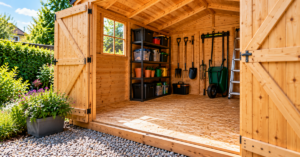
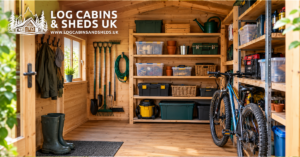
The right shed floor makes storage easier, protects belongings and helps the building remain usable through the seasons. The best option depends on the shed structure, base, expected loads and how you plan to use the space.
Start with the shed and its base
A floor covering cannot correct an unstable or damp base. Check the manufacturer’s requirements for a level, supportive foundation and suitable ventilation. Inspect the existing timber floor for movement, rot or persistent moisture before covering it. Trapping damp beneath a new finish can hide a problem rather than solve it.
Consider what will be stored
Light gardening tools, paint tins, bicycles and heavy machinery place different demands on flooring. Make a list of the heaviest items and consider concentrated loads from wheels, feet or shelving. Check the shed and floor structure’s rated capacity rather than assuming a thicker surface layer will increase structural strength.
Timber flooring and protective finishes
A sound timber floor can be practical for general storage. A compatible floor paint or protective coating may make sweeping easier and reduce surface wear. Follow the product’s preparation and drying instructions and check whether it is suitable for timber and occasional moisture. A finish should not be treated as a substitute for fixing leaks or poor drainage.
Rubber mats and interlocking tiles
Removable rubber mats can provide grip and protect high-traffic areas, particularly near doors or workbenches. Choose products suitable for the expected weight and environmental conditions. Lift mats periodically to inspect for trapped moisture and dirt. Interlocking tiles can be convenient but may create raised edges if the underlying floor is uneven.
Sheet vinyl and similar coverings
Some sheet coverings are easy to wipe clean, which appeals to people using a shed for hobbies or light workshop tasks. However, a covering that prevents moisture escaping can be unsuitable over damp timber. Check the flooring manufacturer’s guidance on substrate moisture, temperature variation and adhesives before installation.
Plan access and cleaning
Think about muddy boots, spilled compost, water from equipment and leaves blown in through the door. A floor that can be swept or wiped without complicated maintenance is often more valuable than a decorative finish. Keep door clearance in mind when adding tiles or mats, and avoid creating a trip hazard at the threshold.
Maintain the floor through the year
Inspect the shed after prolonged wet weather and at seasonal changes. Check around doors, corners and stored containers for condensation or leaks. Keep external drainage clear, avoid blocking ventilation openings and move heavy stored items occasionally to inspect the floor underneath. Deal with moisture at its source before renewing any finish.
A practical action to take today
Sketch the shed interior and mark where shelves, workbenches and large equipment will stand. Leave a clear walking route from the door and choose a surface that can cope with how the space will actually be used.
Before making a final decision, review the relevant guidance, check any manufacturer or supplier requirements and make sure the proposed approach suits the people who will use it. A little preparation now makes the next conversation more focused and productive.
Choosing flooring for different shed uses
For general garden storage, easy sweeping and occasional moisture are often the priorities. A removable entrance mat can collect dirt without covering the whole floor. For bicycles, consider how tyres and stands concentrate weight and whether a protective mat can be lifted for cleaning. For a hobby space, think about comfortable standing, spills and whether tools could damage a decorative surface. For a workshop, structural load capacity, stability and safe footing matter more than appearance. If you intend to store fuel, chemicals or powered equipment, follow the relevant product safety guidance and ensure the building is suitable for that use. Do not assume a garden shed is designed for occupation or year-round heating. Whatever finish you choose, allow access to inspect timber edges and corners. Keep receipts and product specifications so you know which cleaning products and maintenance treatments are compatible.
Keep a short written checklist of your decisions, including any unanswered questions. Revisit it before work begins, confirm the details with the relevant supplier or professional, and update the plan if circumstances change.
Next steps
Explore the garden sheds and timber buildings available from Log Cabins & Sheds UK and choose a building that suits your storage plans. Visit the website to find out more.
Written by
Stuart Perkins is part of the team at Log Cabins and Sheds UK, helping customers choose suitable log cabins, sheds and garden buildings. Their experience includes advising on cabin sizes, wall thicknesses, glazing, roofing options, bases, delivery and practical garden building requirements.
View author profile