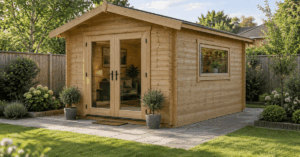
Good shed ventilation helps manage trapped moisture, musty air and condensation. Here is a practical UK guide to checking airflow, storage and common damp sources.
Why ventilation matters in a garden shed
A garden shed is exposed to changing temperatures and damp outdoor air. When warm moist air meets a colder surface, condensation can form on roofs, walls, tools and stored belongings. Ventilation can help reduce trapped moisture, but it works best alongside a sound roof, suitable base and sensible storage habits. A vent alone will not repair a leak or stop water entering from the ground.
Look for the source of moisture first
Before adding vents, check the roof covering, window seals, door edges and any signs of rainwater running towards the base. Inspect gutters and surrounding drainage where fitted. Damp patches after heavy rain may indicate water ingress rather than ordinary condensation. If water is entering the building, address that source before expecting airflow to solve the problem.
Create a route for air to move
Ventilation needs a path for air to enter and leave. Depending on the shed design, suitably positioned high and low vents can encourage air movement, while openings on different sides may benefit from wind-driven airflow. Keep openings clear of stacked boxes and shelving. Choose vent designs that suit the building and help limit rain and pest entry. Avoid cutting into structural timbers or waterproofing details without checking the manufacturer’s guidance.
Consider what you store
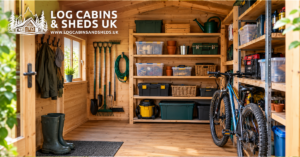
Bicycles, hand tools and gardening equipment have different storage needs from paper, fabrics or electrical items. Wet lawnmowers, muddy tools and damp outdoor cushions can introduce moisture into a small enclosed space. Let items dry where practical before storing them. Raise vulnerable belongings off the floor and leave space around walls to improve inspection and airflow.
Do not block existing ventilation
Some sheds already have vents or designed gaps that help air circulate. It can be tempting to seal every opening against draughts, particularly in winter, but this may trap humid air. Check the intended ventilation arrangement before adding insulation, wall lining or storage units. If the building is used as a workshop, the requirements may differ according to activities and equipment.
Balance airflow with security and weather protection
A useful vent should not become an easy route for rain, insects or unwanted access. Select fittings appropriate to the wall construction and exposure. Where a building sits in a windy position, assess whether vents need weather-resistant covers. Check that doors and windows still close correctly after any alterations. A poorly installed opening can create more damp than it prevents.
Watch for condensation on the roof
Cold roof surfaces can collect condensation when humid air is trapped inside. Look for droplets, staining or persistent dampness rather than assuming every mark is a roof leak. Roofing design, insulation and ventilation interact, so a change to one may affect the others. Seek product-specific guidance before installing roof vents or altering roof layers.
Keep the base and surroundings dry
Even a well-ventilated shed can struggle if water pools around it. Check that the base is suitable, level and does not encourage standing water against timber. Leave enough access around the building for maintenance and inspection. Avoid piling soil, leaves or planting directly against external walls. Clear debris from drainage routes and gutters where applicable.
A simple seasonal maintenance routine
Inspect the shed after prolonged rain and during colder months. Check vents for blockages, look behind large stored items, inspect timber surfaces and remove wet materials promptly. Revisit the condition of coatings, seals and roof coverings according to the building manufacturer’s maintenance guidance. Small, regular checks are easier than dealing with extensive damp damage later.
Choosing a shed for your storage needs
When comparing garden sheds, think beyond floor dimensions. Consider access, natural light, ventilation options, wall construction and how easily the building can be maintained. Log Cabins & Sheds UK offers a range of garden buildings to explore. Check each product listing for its actual specifications and ask questions about suitability before ordering.
Explore garden buildings
Browse the range at Log Cabins & Sheds UK and check the specification of any shed you are considering.
Written by
Stuart Perkins is part of the team at Log Cabins and Sheds UK, helping customers choose suitable log cabins, sheds and garden buildings. Their experience includes advising on cabin sizes, wall thicknesses, glazing, roofing options, bases, delivery and practical garden building requirements.
View author profile